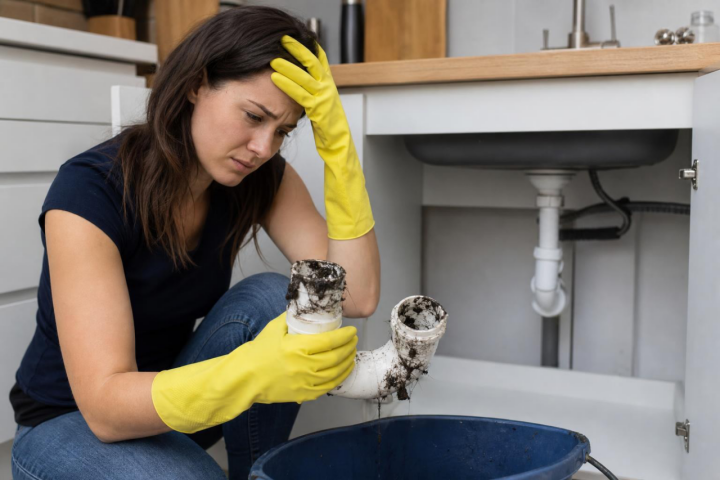
A clogged drain might seem like a minor inconvenience, one that a bottle of store-bought cleaner or a quick YouTube tutorial can fix in minutes. But the dangers of DIY drain cleaning are more serious than most homeowners realize, and professional solutions consistently deliver better outcomes. Every year, thousands of people damage their plumbing systems, expose themselves to harmful chemicals, or turn a simple blockage into a multi-thousand-dollar repair because they attempted a fix without the right knowledge or equipment. Understanding why these shortcuts fail, and what professionals do differently, can save you significant money, protect your health, and preserve the integrity of your home’s plumbing infrastructure.
The Hidden Reality Behind Common DIY Methods
Most homeowners reach for one of two options when a drain slows down: a chemical drain cleaner or a physical tool like a plumber’s snake. Both approaches carry risks that are rarely printed on the label or explained in a tutorial video. What appears to be a quick fix often initiates a chain of damage that compounds over weeks and months, ultimately costing far more than a professional service call would have.
The Corrosive Truth About Chemical Cleaners
Chemical drain cleaners rely on highly reactive compounds, typically sodium hydroxide (lye) or sulfuric acid, to dissolve organic blockages. These substances generate intense heat during the chemical reaction, sometimes exceeding 200°F inside the pipe. In older homes with cast iron or galvanized steel pipes, this repeated thermal stress weakens joints and accelerates corrosion from the inside out.
PVC pipes are not immune either. Concentrated heat from chemical reactions can soften and warp plastic piping, creating low spots where debris accumulates and future clogs form. A 2024 study by the American Society of Plumbing Engineers found that homes using chemical drain cleaners more than twice per year had a 40% higher incidence of pipe failure within five years compared to homes that did not use them.
Physical Damage Caused by Improper Tooling
Drain snakes and augers sold at hardware stores are not the same instruments professionals use. Consumer-grade snakes often lack the flexibility to handle turns in pipe systems, and without proper training, it is easy to punch through corroded sections or scratch the interior lining of pipes. These scratches create rough surfaces where grease, hair, and soap scum catch and build up faster than before.
Homeowners also frequently misjudge the type of blockage they are dealing with. A snake designed for hair clogs will do nothing against a root intrusion or a collapsed pipe section. Forcing the tool further can push the obstruction deeper into the system or, worse, crack a pipe joint that was holding together under normal conditions.
Safety Risks and Environmental Hazards
Beyond property damage, DIY drain cleaning poses genuine threats to human health and the surrounding environment. These risks are often underestimated because the consequences are not always immediate.
Toxic Fumes and Chemical Burns
Mixing different chemical drain cleaners, even accidentally through residue left from a previous application, can produce chlorine gas or other toxic vapors. In a confined bathroom or under-sink cabinet, these fumes can cause respiratory distress, chemical burns to the eyes and skin, and in extreme cases, loss of consciousness. The American Association of Poison Control Centers reported over 3,200 incidents related to drain cleaner exposure in 2025 alone.
Even a single product used as directed can splash back during application, particularly if standing water is present in the drain. The concentration of acid or lye in these products is high enough to cause second-degree chemical burns on contact with skin. Children and pets in the household face additional risk from residue left on fixtures and floors.
Groundwater Contamination and Eco-System Impact
Chemical drain cleaners do not simply vanish after clearing a clog. The reactive compounds travel through your plumbing system and into municipal wastewater treatment facilities or, in rural areas, directly into septic systems and eventually groundwater. Many treatment plants are not equipped to fully neutralize these chemicals, meaning they can enter rivers and lakes.
Septic systems are particularly vulnerable. The beneficial bacteria that break down waste in a septic tank can be killed by a single application of a strong chemical cleaner, potentially causing system failure. Replacing a septic system costs between $15,000 and $30,000 in most regions as of 2026, a steep price for what started as a $10 bottle of drain cleaner.
Why Home Remedies Often Fail to Address the Root Cause
The baking soda and vinegar method has become a popular “natural” alternative, but its effectiveness is limited to the mildest of slowdowns. Even when a DIY approach appears to work, it frequently masks a larger problem developing out of sight.
Temporary Fixes vs. Permanent Solutions
Most DIY methods only clear a narrow channel through the blockage rather than removing it entirely. Water flow improves temporarily, giving the impression the problem is solved. Within weeks or months, the remaining buildup narrows the pipe again, and the cycle repeats. Each iteration allows the obstruction to harden and expand further along the pipe’s interior.
This pattern of recurring clogs is one of the clearest signs that a DIY approach is not working. A professional plumber identifies and removes the entire blockage, then inspects the line to confirm full clearance. The difference between poking a hole through a clog and actually eliminating it determines whether the fix lasts weeks or years.
The Complexity of Sewer Line Obstructions
Not every slow drain originates at the fixture. Tree root intrusion, bellied pipe sections, and offset joints are common causes of drainage problems that no chemical or consumer snake can address. Tree roots, for example, enter pipes through microscopic cracks at joints and grow into dense masses that only professional equipment can remove.
Bellied pipes, where a section of the line has sunk due to soil shifting, create a permanent low spot that collects waste and sediment. No amount of chemical treatment or snaking will fix a structural deficiency. These issues require professional diagnosis, and attempting to force a solution from the drain opening can make the underlying problem significantly worse.
The Professional Advantage: Advanced Tools and Techniques
Professional plumbers bring diagnostic precision and specialized equipment that simply are not available to consumers. The gap between professional and DIY capabilities has widened considerably as plumbing technology has advanced.
High-Definition Camera Inspections
Before any work begins, a professional plumber can insert a high-definition waterproof camera into the drain line to visually inspect the entire system. This technology reveals the exact nature, location, and extent of the problem, whether it is grease buildup, root intrusion, a collapsed section, or a foreign object lodged in the pipe.
Camera inspections eliminate guesswork. Instead of blindly applying chemicals or pushing a snake through the line, the plumber develops a targeted plan based on what they actually see. Many plumbing companies in 2026 provide customers with recorded footage, offering transparency and documentation that can be valuable for insurance claims or real estate transactions.
Hydro-Jetting: The Power of Targeted Water Pressure
Hydro-jetting uses water pressurized up to 4,000 PSI to scour the interior walls of pipes, removing grease, scale, mineral deposits, and even tree roots. Unlike snaking, which punches through a blockage, hydro-jetting restores the pipe to near-original diameter by cleaning the entire circumference.
This method is safe for most pipe materials when operated by a trained technician who adjusts pressure settings based on the pipe’s age, material, and condition. A hydro-jetting session typically keeps drains clear for one to three years, compared to the weeks or months of relief a chemical cleaner provides. The cost per year of clear drainage is often lower with professional service than with repeated DIY attempts.
Long-Term Financial Benefits of Expert Maintenance
Hiring a professional may seem more expensive upfront, but the math strongly favors expert maintenance when calculated over the lifespan of a plumbing system.
Avoiding Costly Pipe Replacements
A single pipe replacement in a residential home can range from $1,500 to $15,000 depending on location, depth, and material. Corrosion from chemical cleaners, physical damage from improper snaking, and neglected root intrusions are among the most common causes of premature pipe failure. All three are preventable with professional care.
Regular professional maintenance catches small problems before they become emergencies. A hairline crack spotted during a camera inspection can be repaired for a few hundred dollars. That same crack, left undetected and aggravated by chemical treatments, can become a full pipe burst requiring excavation and replacement.
Preserving Property Value Through System Health
Home inspectors in 2026 increasingly include sewer line camera inspections in their standard assessments. A plumbing system with documented professional maintenance history signals to buyers that the home has been well cared for. Conversely, evidence of chemical damage or amateur repairs can reduce a home’s appraised value or derail a sale entirely.
Maintaining detailed records of professional drain service, including camera inspection footage, creates a paper trail that protects your investment. This documentation can also support warranty claims and provide evidence for insurance purposes if a plumbing-related loss occurs.
Establishing a Sustainable Drain Care Routine
The most effective approach to drain health combines smart daily habits with scheduled professional maintenance. Use drain screens on all fixtures to catch hair, food particles, and debris before they enter the system. Run hot water through kitchen drains after each use to keep grease moving through the pipes rather than solidifying on interior walls. Avoid flushing anything other than toilet paper and human waste, as so-called “flushable” wipes remain a leading cause of residential sewer blockages.
Schedule a professional drain inspection every 18 to 24 months, or annually if your property has mature trees near sewer lines. This cadence catches developing problems early and keeps your system running at full capacity. Many plumbing companies offer maintenance plans that reduce the per-visit cost and include priority scheduling for emergencies.
The risks of DIY drain cleaning, from pipe damage and health hazards to environmental contamination and recurring clogs, far outweigh the perceived savings. Professional plumbers bring the tools, training, and diagnostic capability to solve problems correctly the first time. Protecting your plumbing system is not just about fixing today’s clog; it is about preserving the health, safety, and value of your home for years to come. If you are dealing with a slow or blocked drain, contact a licensed plumber rather than reaching for that bottle under the sink. Your pipes, your health, and your wallet will all be better for it.