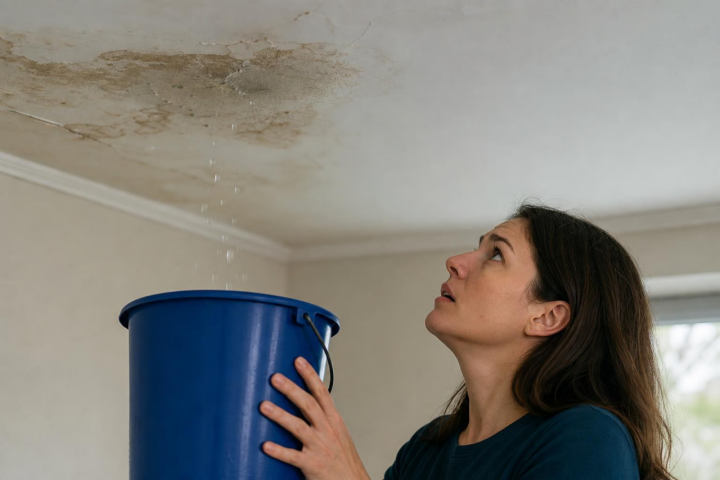
That slow, rhythmic drip beneath your kitchen sink might seem like nothing more than a minor annoyance. Perhaps you have placed a small bowl underneath it and plan to call a plumber next month. But what feels like a trivial inconvenience can quietly escalate into thousands of dollars in structural repairs, health hazards, and insurance headaches. A small leak left unchecked does not stay small for long. Water is persistent, and it follows gravity into every crack, crevice, and cavity it can reach. Within weeks, what started as a few drops per minute can saturate wood framing, breed mold colonies behind walls, and compromise the electrical wiring running through your home. The difference between a $150 plumbing fix and a $15,000 restoration project often comes down to how quickly you respond. Ignoring that drip is one of the most common and costly mistakes homeowners make, and understanding why a small leak can lead to major water damage is the first step toward protecting your property and your family’s well-being.
The Deceptive Nature of Minor Leaks
A drip that produces only a tablespoon of water per hour might seem insignificant. Yet that trickle adds up to roughly 2.5 gallons per week, more than enough to saturate surrounding materials and create a hospitable environment for decay. The real danger is not the volume of water itself but where it goes once it escapes the pipe. Water travels along joists, pools on subfloor panels, and wicks into insulation, often far from the original leak point. By the time visible signs appear, such as a discolored ceiling tile or a warped baseboard, the damage behind the surface may already be extensive.
Common Sources of Hidden Drips
Not every leak announces itself with a puddle on the floor. Some of the most destructive leaks originate in places homeowners rarely inspect.
- Supply line connections behind toilets and washing machines, where rubber gaskets degrade over time
- Corroded copper or galvanized steel joints inside walls, especially in homes built before 1990
- Failing caulk seals around bathtubs, showers, and window frames
- Condensation drip lines from HVAC units, particularly in humid climates
- Slow seepage at water heater fittings or pressure relief valves
Each of these sources can release water steadily for months before anyone notices.
Why Small Leaks Go Unnoticed
Human habits play a significant role in delayed detection. Most of us do not routinely inspect crawl spaces, attic plumbing, or the back panels of kitchen cabinets. A leak behind a finished wall produces no sound and leaves no visible trace until the drywall is already compromised. Seasonal changes also mask the problem: a pipe that sweats in summer may not drip in winter, leading homeowners to assume the issue resolved itself. The intermittent nature of some leaks makes them particularly elusive and, consequently, more dangerous over time.
The Progressive Impact on Home Integrity
Water does not simply sit in one place. It migrates, and as it does, it systematically weakens the materials that hold your home together. The progression from minor moisture intrusion to serious structural compromise follows a predictable timeline, one that accelerates with every passing week.
Structural Wood Rot and Weakening
Wood framing and subflooring are among the first casualties. Sustained moisture exposure activates wood-decaying fungi that break down cellulose fibers, the structural backbone of lumber. Within 30 to 60 days of continuous dampness, softwood framing can begin to show signs of rot. A floor joist weakened by fungal decay may lose 50 percent or more of its load-bearing capacity before any visible sagging occurs. In severe cases, entire sections of subflooring must be replaced, a project that involves tearing out finished flooring, cabinets, and sometimes load-bearing walls.
Compromised Insulation and Drywall
Fiberglass batt insulation loses its thermal resistance almost immediately upon getting wet. Saturated insulation compresses, sags, and creates gaps in the building envelope, driving up heating and cooling costs. Drywall, which is essentially compressed gypsum between paper facings, absorbs water like a sponge. Wet drywall swells, crumbles, and becomes a prime substrate for mold growth. Replacing water-damaged drywall is not just a matter of patching a section: the entire affected area, including any contaminated insulation behind it, typically requires removal.
Electrical Hazards and Fire Risks
Water and electricity are a dangerous combination. A leak that reaches an electrical junction box, outlet, or wiring run can cause short circuits, tripped breakers, and in the worst scenarios, electrical fires. Corrosion on wiring connections increases resistance, which generates heat. The National Fire Protection Association has consistently identified electrical failures as a leading cause of residential fires, and moisture intrusion is a contributing factor in many of those incidents. If you notice flickering lights, a burning smell near outlets, or breakers that trip without explanation, a hidden leak could be the underlying cause.
Health Risks and Environmental Consequences
The structural toll of a persistent leak is serious, but the health implications can be equally alarming. Water damage creates conditions that directly affect the people living inside the home, not just the building materials around them.
Rapid Mold and Mildew Proliferation
Mold spores are present in virtually every indoor environment, but they require moisture to germinate and colonize. A damp wall cavity or wet subfloor provides exactly the conditions mold needs. Species like Stachybotrys chartarum, commonly known as black mold, can establish visible colonies within 48 to 72 hours of sustained moisture exposure. Once established, mold does not stay confined to the original wet area. Spores become airborne and spread through HVAC ductwork, colonizing distant rooms. Professional mold remediation for a moderate infestation typically costs between $1,500 and $5,000 in 2026, and severe cases can exceed $10,000.
Impact on Indoor Air Quality
Even without visible mold, a hidden leak degrades the air you breathe. Damp building materials release volatile organic compounds and musty odors. Dust mites, which thrive in humid environments, multiply rapidly when indoor relative humidity exceeds 60 percent. For household members with asthma, allergies, or compromised immune systems, these conditions can trigger persistent respiratory symptoms, including coughing, wheezing, and sinus infections. Children and elderly residents are particularly vulnerable. The EPA has identified indoor dampness as a significant risk factor for respiratory illness, and the remedy almost always begins with eliminating the moisture source.
The Financial Burden of Procrastination
Delaying a repair because it seems minor is a decision that compounds over time. The financial consequences of ignoring a drip extend well beyond the cost of fixing the pipe itself.
Escalating Utility Bills
A leak you cannot see still shows up on your water bill. The U.S. Geological Survey estimates that a faucet dripping at one drip per second wastes more than 3,000 gallons per year. A pinhole leak in a supply line under pressure can waste far more. If your water bill has crept upward without a corresponding change in usage habits, a hidden leak is a likely explanation. The wasted water cost alone can amount to $200 or more annually, and that figure does not account for the secondary energy costs of heating water that never reaches a faucet.
Restoration Costs vs. Simple Repairs
The contrast between early intervention and delayed response is stark. Replacing a corroded fitting or a worn supply hose is a repair that most plumbers complete in under an hour, typically for $100 to $300. Compare that to the cost of remediating water damage that has spread unchecked for several months: drywall replacement, mold remediation, structural framing repairs, new insulation, and possibly new flooring. Insurance may cover sudden and accidental water damage, but most homeowner policies exclude damage resulting from long-term neglect or deferred maintenance. That distinction often leaves homeowners responsible for the full restoration bill.
Proactive Detection and Prevention Strategies
The most effective way to prevent a small drip from becoming a major problem is to find it early. A combination of regular visual inspections and modern technology can dramatically reduce your risk.
Routine DIY Inspection Checklist
You do not need specialized training to catch most leaks before they cause serious harm. A quarterly inspection covering the following areas takes roughly 30 minutes and can save thousands in potential damage.
- Check under all sinks for moisture, discoloration, or musty odors
- Inspect toilet base seals and supply line connections for dampness
- Examine visible pipes in basements and crawl spaces for corrosion or mineral deposits
- Look at ceilings below bathrooms for stains or paint bubbling
- Test your water meter: turn off all fixtures, then check if the meter continues to register flow
- Inspect washing machine hoses for bulging, cracking, or weeping at connections
- Review your water bill for unexplained increases
Document your findings each quarter. Patterns over time, such as a slowly expanding ceiling stain, can reveal leaks that a single inspection might miss.
Smart Water Leak Detectors
Technology has made early detection far more accessible. Smart water sensors, available from brands like Moen, Phyn, and Flo, can monitor your entire plumbing system in real time. Whole-home systems install on the main water line and track flow patterns, alerting you via smartphone when they detect anomalies consistent with a leak. Point-of-use sensors, which cost as little as $20 to $40 each, sit near water heaters, under sinks, and behind washing machines, sounding an alarm the moment they detect moisture. Many of these devices integrate with home automation platforms, allowing you to shut off water remotely if a leak is detected while you are away. The investment is modest compared to the cost of even a single undetected leak.
Securing Your Home Against Future Damage
A single drip beneath a sink or behind a wall is easy to dismiss, but the evidence is clear: ignoring it is a gamble with steep consequences. Water damage progresses silently through your home’s framing, insulation, and electrical systems, creating health hazards and financial burdens that far exceed the cost of a timely repair. The pattern is consistent: homeowners who address leaks promptly spend a fraction of what those who delay ultimately pay.
Make leak detection part of your regular home maintenance routine. Inspect vulnerable areas quarterly, invest in smart water monitoring if your budget allows, and treat every unexplained drip as urgent until proven otherwise. If you discover moisture where it should not be, contact a licensed plumber immediately rather than waiting to see if the problem worsens. Your home is one of your most significant investments. Protecting it from water damage starts with refusing to ignore the warning signs, even when they seem as harmless as a single, steady drip.